
Profitable Ecommerce Business Ideas to Start in 2026

Mamunur Rahsid
17–25 minutes
Human Written
Picking an ecommerce business idea is not the hard part. Almost any niche on this list can work. The harder question is which one actually fits your budget, your skills, and how fast you need to see revenue, because that answer changes everything downstream: your fulfillment model, your marketing approach, and how long before the business supports itself.
Most guides on this topic give you a long list sorted by category and stop there. They don’t tell you what an idea actually costs to start, how hard it is to execute honestly, or where in the world it’s already working. That’s the gap this guide fills.
I’ve watched founders pick an idea based on what looked exciting in a listicle instead of what matched their actual starting point. This guide organizes 20 ideas by investment level, with real market data, honest difficulty ratings, and where each one is already proven.
TL;DR: What Are the Best Ecommerce Business Ideas Right Now?
The best ecommerce business idea depends on your starting budget more than any other factor. Under $1,000, print on demand, niche dropshipping, and digital products are the most accessible, with the fastest path to a first sale. Between $1,000 and $10,000, private label in a focused category, subscription boxes, and niche marketplace MVPs offer stronger margins in exchange for more upfront work. Above $10,000, full private label brands, B2B wholesale supply, and building a multi-vendor marketplace platform offer the highest ceiling but require real operational capacity.
If you want one simple rule, use this:
- Choose print on demand or niche dropshipping if you have under $1,000 and want to test an idea fast.
- Choose private label or a subscription box if you have $1,000 to $10,000 and want stronger margins.
- Choose a full brand build, wholesale supply, or a marketplace platform if you have $10,000+ and want to build something with real scale.
How to Evaluate Any Ecommerce Business Idea Before You Commit
Every idea on this list can work. Most of them can also fail, and usually for the same four reasons.
Demand. Is anyone actively searching for and buying in this category right now, not just liking posts about it? Google Trends and marketplace search volume both tell you more than a gut feeling.
Margin. Some categories look exciting and pay terribly. Others look boring and pay well. Check the real margin range before falling in love with a niche.
Operational complexity. Some ideas need almost no ongoing work once set up. Others need daily supplier coordination, inventory tracking, or customer support at volume. Know which one you’re signing up for.
Time to first sale. A print-on-demand store can have its first sale within days. A private label brand can take months of sourcing and testing before the first unit ships. Match this to how much runway you actually have.
The 20 ideas below are organized by investment level, because that’s the constraint most founders actually have to work within first.
Low-Investment Ecommerce Business Ideas (Under $1,000)
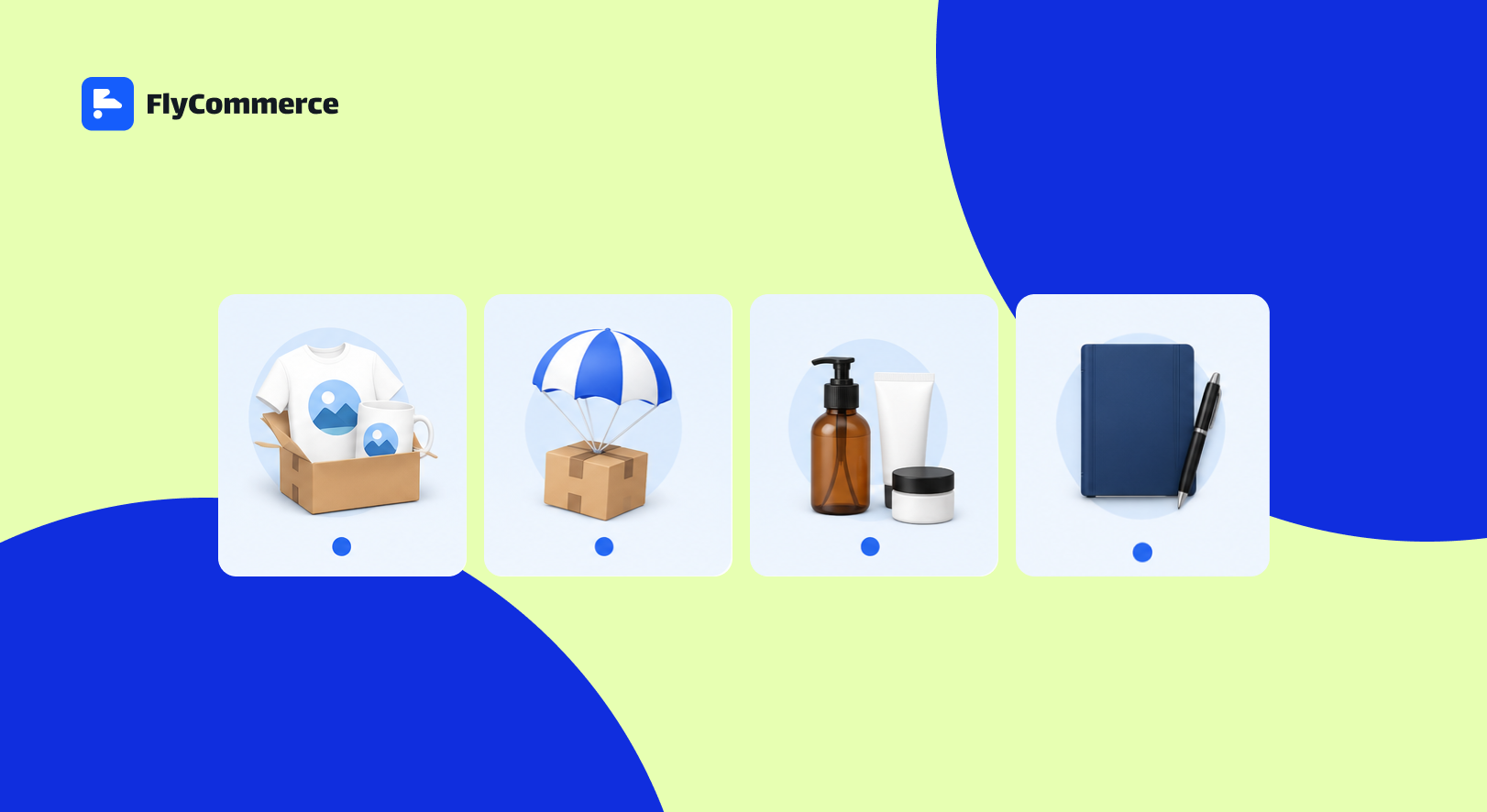
These ideas require the least upfront capital because none of them require holding significant inventory before a sale happens.
1. Custom Apparel and Accessories via Print on Demand
What it is: You design artwork, apply it to blank apparel and accessories, and a fulfillment partner prints and ships each order only after it sells.
Demand: Personalization and niche identity continue to drive apparel purchases, especially in fandom, hobby, and local pride categories.
Market size: The global print on demand market is valued at over $40 billion and growing at a double-digit rate through the end of the decade.
Investment range: $0 to $300 for design tools and a small ad test budget.
Execution difficulty: Easy to moderate. The barrier is design quality and finding an underserved niche, not technical setup.
Most popular in: United States, United Kingdom, Canada, Australia.
Who it suits: Designers, hobbyists, and anyone with a specific fan community they already understand.
2. Pet Products via Niche Dropshipping
What it is: You list pet accessories or supplies you don’t hold inventory for. A supplier ships directly to the buyer when an order comes in.
Demand: Pet owners are price-tolerant and buy repeatedly. Specialty and health-focused pet products are the fastest-growing sub-segment.
Market size: Global pet care ecommerce is a multi-billion dollar category, with double-digit annual growth in specialty and organic pet products specifically.
Investment range: $200 to $800 for store setup and initial ad testing.
Execution difficulty: Moderate. Supplier reliability and shipping speed directly affect reviews in this category more than most others.
Most popular in: United States, Germany, United Kingdom.
Who it suits: Pet owners themselves, since category knowledge shortens the learning curve significantly.
3. Digital Templates, Guides, and Courses
What it is: You package specific knowledge into a downloadable product: a template, a guide, or a short course, sold with zero shipping and near-zero cost to serve each additional buyer.
Demand: Remote work and self-directed learning have made digital skill products a permanent category, not a pandemic-era trend.
Market size: The digital products and e-learning categories combined represent tens of billions of dollars in annual sales, with strong growth in AI-adjacent templates and workflows specifically.
Investment range: $0 to $200. Your time is the real cost here, not capital.
Execution difficulty: Moderate to high. Success depends entirely on whether your expertise is real and specific, not generic.
Most popular in: United States, India, United Kingdom.
Who it suits: Anyone with genuine expertise in a specific, teachable skill.
4. Handmade or Personalized Jewelry
What it is: Custom or handcrafted jewelry sold direct to consumer or through a curated marketplace listing.
Demand: Gift-giving occasions and personalization trends keep this category consistently active, particularly among younger buyers.
Market size: The global jewelry ecommerce category is projected to exceed $110 billion by the end of the decade.
Investment range: $100 to $600 for initial materials and photography.
Execution difficulty: Easy to moderate. Material sourcing and consistent quality matter more than marketing skill here.
Most popular in: United Kingdom, Germany, France, United Arab Emirates, India.
Who it suits: Makers and designers who already have a craft skill and want to monetize it directly.
5. Curated Affiliate Gift Guides in a Tight Niche
What it is: A content-driven store or site that curates and recommends products in a specific niche, earning commission on resulting sales rather than holding any inventory at all.
Demand: Buyers increasingly trust niche curators over generic marketplace search, especially for gifting and hobby categories.
Market size: Affiliate marketing spend continues to grow as brands shift budget away from broad-reach advertising toward trusted niche recommendation.
Investment range: $0 to $300 for a basic site and initial content.
Execution difficulty: Moderate. This is a content and SEO business as much as a store, and it takes longer to build traffic than a paid-traffic model.
Most popular in: United States, United Kingdom, Canada.
Who it suits: Writers and content creators willing to invest time before revenue arrives.
6. Beauty and Skincare via Print-on-Demand or Dropship
What it is: Branded beauty accessories, or private-labeled skincare basics sourced from a supplier who fulfills on your behalf without you holding stock.
Demand: Beauty remains one of the highest-volume ecommerce categories, with strong growth in the natural and organic sub-segment specifically.
Market size: The global beauty ecommerce category is projected to approach $190 billion by 2028.
Investment range: $300 to $900 depending on whether you go pure dropship or a light private-label test batch.
Execution difficulty: Moderate to high. This is a crowded category, so a specific angle (ingredient focus, skin concern, or community) matters more than the product itself.
Most popular in: United States, South Korea, Japan.
Who it suits: Founders with a genuine point of view on skincare or beauty, not just a supplier catalog to resell.
7. Home Decor and Small Goods via Print on Demand
What it is: Posters, cushions, mugs, and small home accessories printed on demand with your own designs.
Demand: Personalized home decor sits at the intersection of two growing categories: home goods and customization.
Market size: This sits within the broader print-on-demand category, valued at over $40 billion globally and growing steadily.
Investment range: $0 to $300, similar to apparel POD.
Execution difficulty: Easy to moderate. Design quality and niche specificity again matter more than technical setup.
Most popular in: United States, United Kingdom, Canada.
Who it suits: Designers and illustrators who want a lower-competition alternative to apparel-only POD stores.
Medium-Investment Ecommerce Business Ideas ($1,000 to $10,000)
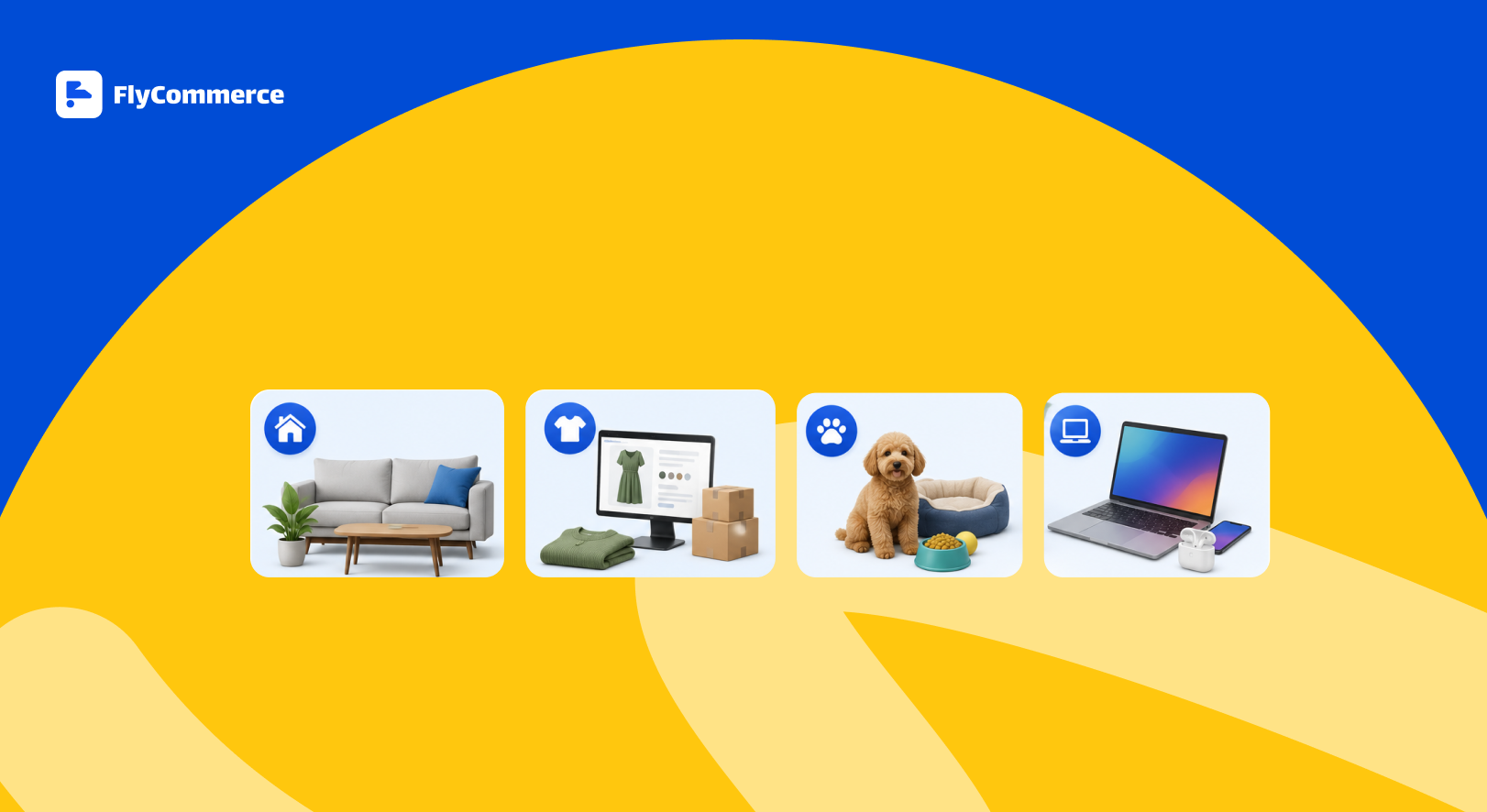
These ideas require buying inventory upfront or investing in a more structured launch, in exchange for stronger margins and more brand control.
8. Private Label Beauty or Wellness Products
What it is: You source a generic beauty or wellness product from a manufacturer and sell it under your own brand name and packaging.
Demand: Buyers increasingly favor brands with a clear story and ingredient transparency over generic, unbranded alternatives.
Market size: Beauty ecommerce is approaching $190 billion globally, with private label specifically gaining share from established mass brands.
Investment range: $2,000 to $8,000 for minimum order quantities, packaging, and initial branding.
Execution difficulty: Moderate to high. Regulatory requirements around ingredients and labeling add real complexity in this category specifically.
Most popular in: United States, South Korea, United Kingdom.
Who it suits: Founders with a clear brand angle and the patience to manage a manufacturing relationship.
9. Subscription Box in a Specific Vertical
What it is: Customers pay on a recurring basis to receive a curated selection of products in a niche, delivered on a regular schedule.
Demand: Recurring revenue models remain attractive to both founders and investors because of the predictable cash flow they generate.
Market size: Subscription ecommerce continues to grow across categories, from gourmet food to hobby kits to grooming products.
Investment range: $2,000 to $7,000 for initial inventory, packaging, and fulfillment setup.
Execution difficulty: Moderate to high. Churn management is the real skill required here, not just curation.
Most popular in: United States, United Kingdom, Canada.
Who it suits: Founders who can commit to consistent curation quality month after month without it becoming a burden.
10. Curated Multi-Brand Boutique Store
What it is: An online store that carries a curated selection of products from multiple third-party brands, positioned around a specific aesthetic or audience rather than one single product line.
Demand: Shoppers looking for a specific taste level or aesthetic often prefer a trusted curator over navigating a marketplace themselves.
Market size: This model draws on the broader multi-brand retail category, which remains a significant share of total ecommerce despite marketplace growth.
Investment range: $3,000 to $9,000 for initial stock across multiple brands and supplier relationships.
Execution difficulty: Moderate to high. Managing multiple supplier relationships and inventory across brands is more complex than single-brand private label.
Most popular in: United States, United Kingdom.
Who it suits: Founders with strong taste and an existing audience who trusts their curation.
11. Baby and Kids Product Line
What it is: A private label or curated line of baby and children’s products, where safety, certification, and trust matter more than in most other categories.
Demand: Population growth and changing parenting habits keep this a consistently active category regardless of broader economic conditions.
Market size: The global baby and kids ecommerce category is projected to reach roughly $20 billion by 2030.
Investment range: $2,000 to $8,000, with certification and compliance costs factored in from the start.
Execution difficulty: Moderate to high. Safety regulations and compliance requirements are stricter here than in most other categories on this list.
Most popular in: United States, Canada, Germany.
Who it suits: Founders willing to invest in proper certification and quality control before their first sale, not after.
12. Smart Home Accessories and IoT Add-Ons
What it is: Connected home devices and accessories, either private labeled or curated from reliable manufacturers, sold to homeowners upgrading their living space.
Demand: The smart home category is one of the fastest-growing segments in consumer electronics, driven by falling device costs and rising energy-efficiency concerns.
Market size: The global smart home devices market is valued at roughly $180 billion in 2026 and continues to grow at a steady annual rate.
Investment range: $3,000 to $9,000, since reliable hardware sourcing costs more upfront than most other categories here.
Execution difficulty: Moderate to high. Product reliability and warranty support matter enormously in electronics, more than marketing polish.
Most popular in: United States, Japan, South Korea, Germany.
Who it suits: Founders comfortable vetting hardware manufacturers and standing behind product reliability.
13. Sustainable and Eco-Friendly Household Goods
What it is: Reusable, biodegradable, or ethically sourced household products, sold to an increasingly values-driven buyer base.
Demand: Sustainability has moved from a marketing angle to a baseline expectation for a meaningful share of buyers, particularly in home and personal care categories.
Market size: Products marketed as sustainable have seen sales grow at a notably faster rate than conventional alternatives over the past several years.
Investment range: $2,000 to $7,000, with sourcing costs often higher than conventional equivalents.
Execution difficulty: Moderate. The real challenge is proving sustainability claims credibly, since buyers in this category are increasingly skeptical of vague green marketing.
Most popular in: Germany, United Kingdom, United States.
Who it suits: Founders who can back sustainability claims with real sourcing transparency, not just packaging language.
14. Niche Marketplace MVP
What it is: A small multi-vendor marketplace built around one specific category, where independent sellers list products and you earn commission on each transaction.
Demand: Niche marketplaces succeed precisely because they serve a specific community better than a broad marketplace like Amazon or Etsy can.
Market size: Marketplace platforms account for a majority share of total ecommerce transactions globally, and niche marketplaces continue to carve out defensible positions within that share.
Investment range: $2,000 to $8,000 for platform setup and initial seller recruitment.
Execution difficulty: High. The cold start problem, recruiting enough sellers and buyers simultaneously, is the hardest operational challenge on this entire list.
Most popular in: Varies significantly by niche and region.
Who it suits: Founders willing to spend the first several months on manual seller recruitment rather than product sourcing. For the full mechanics of how marketplace revenue actually works, read How Do Online Marketplaces Make Money?
High-Investment, Scalable Ecommerce Business Ideas ($10,000+)
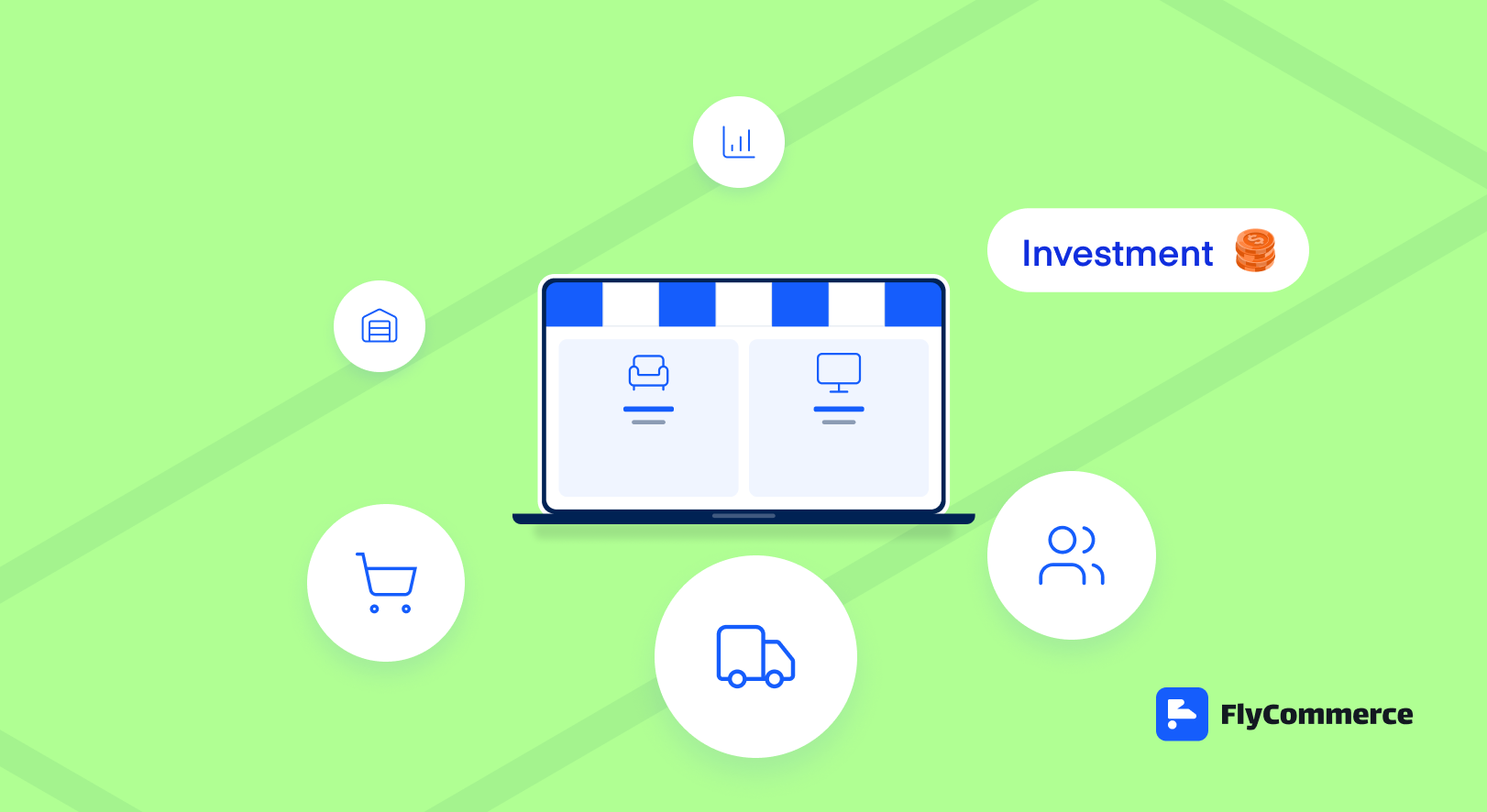
These ideas require real upfront capital and operational capacity, in exchange for the highest ceiling on this list.
15. Full Private Label Brand at Scale
What it is: A complete private label operation with a real product line, proper packaging, brand identity, and enough inventory to support meaningful ad spend.
Demand: Scaled private label brands compete directly with established retail brands and win on story, community, and product differentiation.
Market size: Private label ecommerce continues to take share from generic and unbranded alternatives across nearly every consumer category.
Investment range: $15,000 to $50,000+ depending on category and initial inventory depth.
Execution difficulty: High. This requires real operational infrastructure: manufacturing relationships, quality control, and a marketing budget that can sustain months of testing.
Most popular in: United States, United Kingdom, Germany.
Who it suits: Founders with prior ecommerce experience or a strong existing audience who can justify the capital commitment.
16. B2B and Wholesale Niche Supply
What it is: Selling in bulk to other businesses rather than individual consumers, typically in a specialty category like packaging, restaurant supplies, or industrial components.
Demand: B2B buyers increasingly expect the same self-serve digital experience they have as consumers, creating real opportunity for founders who bring that experience to underserved B2B categories.
Market size: B2B ecommerce is larger than B2C by total transaction value globally, with industry estimates placing it in the tens of trillions of dollars.
Investment range: $10,000 to $40,000+ for initial inventory at wholesale volume.
Execution difficulty: High. Longer sales cycles, negotiated pricing, and account management add real complexity most consumer-facing founders haven’t dealt with before.
Most popular in: United States, Germany, China.
Who it suits: Founders with existing industry relationships or supply chain experience in a specific vertical.
17. Building a Multi-Vendor Marketplace Platform
What it is: Rather than selling products yourself, you build and operate the platform where other independent sellers list and sell, earning commission on every transaction that happens through it.
Demand: Marketplaces now account for the majority of global ecommerce transaction volume, and the founders who own the platform capture value regardless of which individual seller wins any given sale.
Market size: The global marketplace model spans nearly every consumer and B2B category, from Amazon-scale generalist platforms down to highly specific vertical marketplaces.
Investment range: $10,000 to $30,000+ for platform setup, initial seller recruitment, and early operations, significantly less if built on a no-code, cloud-hosted platform instead of custom development.
Execution difficulty: High. This is a platform business, not a product business. Your job is recruiting sellers, setting commission structures, and managing the buyer experience, not managing inventory.
Most popular in: Varies by vertical; strong traction currently in B2B procurement, niche product categories, and regional marketplaces in underserved markets.
Who it suits: Founders who want to build a platform rather than a product line, and who understand the marketplace cold start problem before committing capital to it.
FlyCommerce is a no-code, cloud-hosted platform built specifically to remove the technical cost of this path. Marketplace plans start at $48/month plus a 1% revenue share, a fraction of custom development cost, with vendor onboarding, commission management, and payment splitting already built in.
18. Multi-Channel Omnichannel Brand
What it is: A brand that sells across its own store, marketplaces, and social commerce channels simultaneously, rather than depending on a single acquisition channel.
Demand: Buyers now discover products across multiple touchpoints before purchasing, and brands present across those touchpoints convert better than single-channel competitors.
Market size: Omnichannel selling continues to grow as social commerce and marketplace channels expand alongside traditional owned-store ecommerce.
Investment range: $10,000 to $35,000+ to support inventory and marketing across multiple simultaneous channels.
Execution difficulty: High. Managing inventory sync, pricing consistency, and customer experience across multiple channels at once is an operational challenge most single-channel founders underestimate.
Most popular in: United States, United Kingdom, Australia.
Who it suits: Founders who already have a working single-channel brand and are ready to expand distribution rather than starting from zero.
19. Health and Wellness Product Line with Certifications
What it is: Supplements, fitness equipment, or wellness devices sold under your own brand, with the certifications required for the specific product category.
Demand: Consumer spending on health and wellness continues to grow as self-care and preventative health become permanent buying priorities rather than trends.
Market size: The global health and wellness category represents one of the largest consumer spending categories, with ecommerce capturing a growing share of it every year.
Investment range: $12,000 to $40,000+, with certification and testing costs factored in from day one.
Execution difficulty: High. Regulatory requirements for supplements and health devices are stricter than almost any other category on this list, and getting this wrong creates real liability.
Most popular in: United States, United Kingdom, China.
Who it suits: Founders with genuine category expertise or a clinical/professional background who can navigate compliance requirements credibly.
20. Fashion Label with Owned Manufacturing
What it is: A fashion brand with direct manufacturing relationships rather than dropshipped or private-labeled products, giving full control over design, quality, and timeline.
Demand: Fashion remains one of the largest ecommerce categories globally, and brands with genuine design ownership command stronger margins and loyalty than resellers.
Market size: Global fashion ecommerce is projected to exceed $1 trillion within the next few years, making it one of the largest single categories in this entire list.
Investment range: $15,000 to $60,000+ depending on collection size and manufacturing minimums.
Execution difficulty: High. Fashion has among the highest competition and the highest return rates of any category here, both of which require real operational planning.
Most popular in: United States, United Kingdom, Italy, China.
Who it suits: Founders with genuine design capability and the patience to manage a manufacturing timeline measured in months, not weeks.
Which Ecommerce Business Idea Should You Pick?
| Your situation | Best fit |
|---|---|
| Under $1,000, want to test fast | Print on demand or niche dropshipping |
| Some capital, want stronger margins | Private label or subscription box |
| Have industry relationships already | B2B wholesale supply |
| Want to build a platform, not a product | Multi-vendor marketplace |
| Have a working single-channel brand already | Multi-channel expansion |
| Strong design skill, patient with timelines | Owned-manufacturing fashion brand |
| Deep expertise in a health or beauty niche | Certified private label in that category |
How to Actually Launch Whichever Idea You Choose
Picking the idea is step one. Turning it into a running business requires two more decisions: your business model and your platform.
Your business model determines who you sell to and how you fulfill, which affects everything from pricing to marketing. Read Types of Ecommerce Business Models Explained for the full breakdown of B2C, B2B, DTC, dropshipping, private label, and marketplace models, and how to combine them.
Your platform determines how fast you can get to your first sale and how much of your time goes into technical setup instead of the business itself. Read How to Start an Online Store from Scratch for the complete step-by-step walkthrough.
Whichever idea and tier you land on, FlyCommerce supports it from one platform: a standalone store for single-brand ideas, or a full multi-vendor marketplace if you’re building a platform instead of a product line. No server management, no developer required. Shop plans start at $20/month plus a 1% revenue share. Marketplace plans start at $48/month plus a 1% revenue share. Every plan includes a 14-day free trial.
See FlyCommerce plans and pricing
Frequently Asked Questions About Ecommerce Business Ideas
What is the most profitable ecommerce business idea?
Profitability depends more on execution than category, but private label brands and B2B wholesale supply typically carry the strongest margins because the seller owns the brand or captures value from larger, less price-sensitive orders. The tradeoff is higher upfront investment and more operational complexity than lower-cost models like dropshipping or print on demand.
What is the best ecommerce business idea for beginners?
Print on demand and niche dropshipping are the most beginner-friendly because they require the least upfront capital and the fastest path to a first sale. Both let you test a niche before committing significant money.
What is the cheapest ecommerce business to start?
Digital products and affiliate-driven niche stores require close to zero inventory cost, since the main investment is your time rather than capital. Print on demand is close behind, typically launchable for a few hundred dollars.
What is the biggest mistake people make when choosing an ecommerce business idea?
Picking a niche based on excitement rather than checking real demand, margin, and operational complexity first. A trending product with thin margins and unreliable suppliers will underperform a boring product with strong repeat purchase behavior and healthy margins.
Can I combine multiple ecommerce business ideas?
Yes, and many successful founders do. A common path is starting with a lower-investment model like dropshipping to validate a niche, then moving to private label once demand is proven, or adding a subscription layer once a one-time product has a loyal repeat customer base.
Does location matter when choosing an ecommerce business idea?
Yes. Some categories perform differently by region due to local demand, payment infrastructure, and shipping logistics. The market size and popularity data in this guide notes where each idea currently shows the strongest traction.
Should I sell physical or digital products?
Digital products have higher margins and no shipping or inventory costs, but require genuine expertise to create something people will pay for. Physical products have real logistics costs but often build stronger brand loyalty and repeat purchase behavior. Many founders eventually run both.
How do I validate an ecommerce business idea before investing real money?
Check search volume and marketplace demand for your specific niche, price out your actual margin after fulfillment and platform costs, and if possible, test with a small batch or a pre-order campaign before committing to full inventory or a private label run.